pixel
Joseph Lee
MEDUSA’S MANY FACES: the evolution of a myth

MEDUSA’S MANY FACES: the evolution of a myth

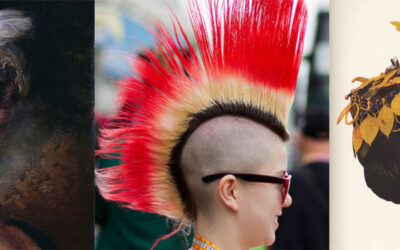
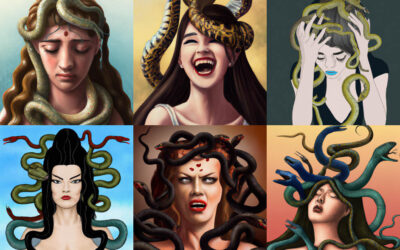
The symbolism of Medusa, one of the three Gorgon sisters in Greek mythology, has captivated and perplexed the imagination of artists, writers, and philosophers for centuries. Originally depicted as a monstrous creature with snakes for hair and the ability to turn onlookers to stone, Medusa has undergone a remarkable transformation.
THE DARK TRIAD: tracking wolves in our midst

THE DARK TRIAD: tracking wolves in our midst

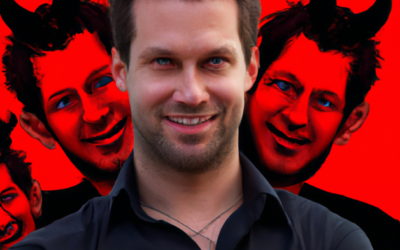
Understanding the Dark Triad can help us navigate mysteriously troubled relationships in all spheres of life. Psychologists coined the term to describe a trifecta of malevolent personality traits: narcissism, machiavellianism, and psychopathy. Although less sinister than any one full-blown personality disorder, it still affects the soul plagued by it and those in reach of its host.

SYMBOLIC MEANING of HAIR: what’s your look saying?

SYMBOLIC MEANING of HAIR: what’s your look saying?

In current times it is an expressive medium that each of us shapes to silently communicate our attitudes toward self and others. What do you want your hair to say? Heading out on the town with bed-head might display a carefree indifference to others’ judgments. A carefully quaffed style on prom night might say, “I’m a mature adult now.” Tracing hair’s influence helps us understand underlying psychological patterns that inform our understanding of this powerful symbol.

THE WHALE: a film about trauma, obesity, and the undying hope to connect.

THE WHALE: a film about trauma, obesity, and the undying hope to connect.

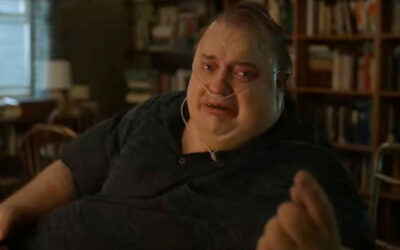
We are born with the drive to connect meaningfully with our caregivers and the world around us. When that is thwarted by fate, deprivation, or misdeeds, our psyche rallies to save us. It redirects our instincts to the imaginal world where archetypal forces can care for us, and our intolerable feelings can be hidden in a cast of inner characters. We still long for compassionate connection, but the inner figures of our caregivers are intolerable, so sometimes the divine mother hides herself in food—and we follow.

PAN: the archetypal source of panic disorder

PAN: the archetypal source of panic disorder

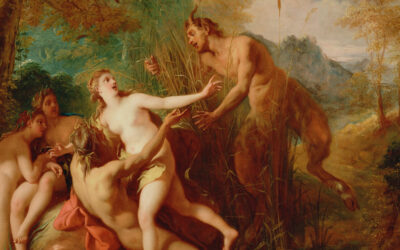
Piping through mountains and glens, the great god Pan carries the relentless procreative power of nature. Oldest of the gods, even the Olympians, he symbolizes the archaic level of psyche from which all wild instinct rises. Timeless and universal, his presence was venerated in fields and grottoes to sustain life against all odds, feared during war as his panic could undo even the Titans and attacked in the Common Era as the image of the devil.

CAN JUNG’S HOME WITHSTAND REPURPOSING?

CAN JUNG’S HOME WITHSTAND REPURPOSING?

It seems that an intrepid consortium of impact investors, real estate developers, and the Swiss Tourist Board have created a juggernaut heading for Jung’s home in Kusnacht and his famous tower in Bollingen. The enterprise called Große Böse Wölfe Hinein Unterwäsche has announced its plans to finalize the purchase of Jung’s estate and transform it.

SCHADENFREUDE: Why do we enjoy seeing others fail?

SCHADENFREUDE: Why do we enjoy seeing others fail?

If we’re completely honest, there’s a dark delight in seeing someone embarrass themselves, especially if we think they deserve it. So, when our irritating boss stomps by our cubicle trailing a few feet of toilet paper from his shoe or a controversial politician is caught in a sexual picadillo, we’re likely to stifle a laugh or at least enjoy a self-satisfied sigh. This joy in someone’s shame or misfortune is called schadenfreude.

The PIED PIPER & the terrible costs of rejecting shadow

The PIED PIPER & the terrible costs of rejecting shadow

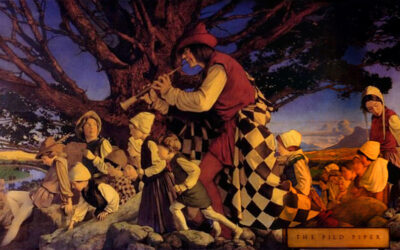
The enduring interest in the Pied piper lies in its symbolic resonance with psyche. When we place the events in our imaginal world, our curiosity is liberated, and our questions become more interesting. What are the pestilential rats inside us? What happens when we ask another person to solve our inner problems? How does the unconscious react when we trick and devalue the inner and outer figures who help us along our way?

The ORPHAN: symbol of eros, pathos, and hope

The ORPHAN: symbol of eros, pathos, and hope

The archetype of the orphan, closely related to the hero, evokes powerful feelings of abandonment, deprivation, and hope. From Harry Potter to Little Orphan Annie from Daenerys Targaryen to Cinderella, orphans who triumph over adversity inspire us.

PASSING THE TEST: embracing the refiner’s fire

PASSING THE TEST: embracing the refiner’s fire

Tests are a fundamental part of the human experience, marking our rites of passage and shaping our journey toward personal growth and transformation. The word test originally referred to an earthenware vessel in which metals were smelted to separate ore from dross. Like ancient vessels holding the heat of the refining fire, our task is to contain the tension of the test. Tests smelt fantasy from the ore of reality and force us to adapt.

AWAKE TO THE WORLD: Jung’s Ethical Stance

AWAKE TO THE WORLD: Jung’s Ethical Stance

Despite volumes written on morality and ethics, how do we determine what’s right? Values distilled over time by family, faith, and nation define and denounce wrong, but the effort to banish shadow only allows it to emerge as projection onto others.

IRRESISTIBLE INVITATIONS: the powerful seduction of possibilities

IRRESISTIBLE INVITATIONS: the powerful seduction of possibilities

When you receive an invitation, it is a moment of recognition, an invitation to be a part of something greater, to feel wanted, valued, and accepted. In the hierarchy of human needs, the desire to belong takes a top priority, surpassed only by our basic requirements for survival.