Jung understood libido as psychic energy: desire, will, interest, and passion. Libido includes instincts for fulfilling bodily appetites and engaging developmental tasks. Although energy infuses all human activity, it is not a function of ego alone; for many, a worthy goal has lacked the libido to achieve it.

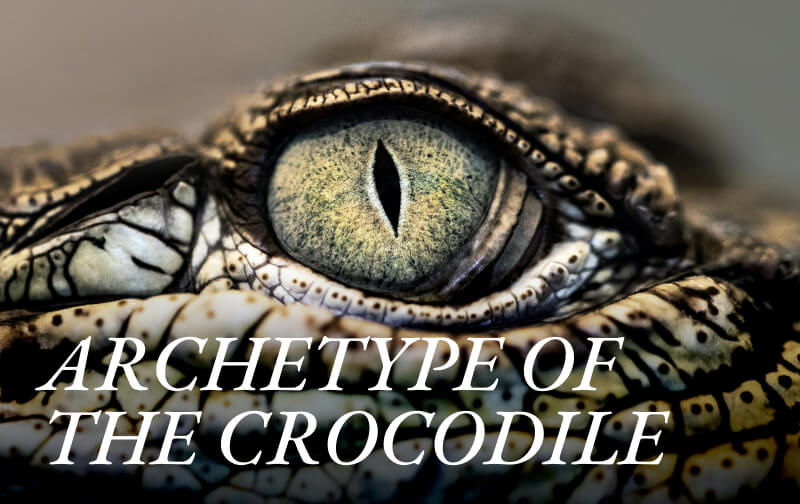
The Archetype of the Crocodile
Dec 9, 2021
The crocodile and its alligator cousin appear regularly in dreams. Its primordial force, seemingly submerged in psyche’s ancient riverbeds, can erupt to drown, dismember and devour the ego’s claim to autonomy.
ARCHETYPES AND THE CREATIVE PROCESS: A Discussion with Third Coast Percussion
Dec 2, 2021
Archetypes is a sonic exploration of the human experience. This Jungian Life in conversation with musicians Clarice Assad and David Skidmore features an exploration of the creative process.
FALLING IN LOVE: Bewitched, Bothered & Bewildered
Nov 25, 2021
Jung says, “Love is a power of destiny, whose force reaches from heaven to hell.” Falling in love is an initiation into the divine—light, and dark—as personal and archetypal forces combine and combust. In thrall to the magical other through whom we experience newfound parts of ourselves, we fall into a reality that transcends and possesses us.
A WELL-ALIGNED MIND: How to Be Alive
Nov 18, 2021
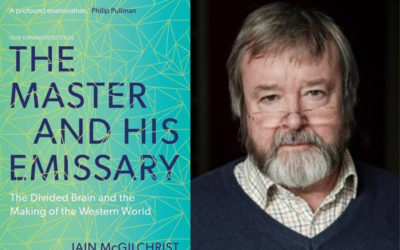
Guest Iain McGilchrist is a renowned psychiatrist, researcher, and author. His 2009 book, The Master and His Emissary gained worldwide fame for showing how differences between brain hemispheres affect our perceptions – and guide our lives.
HUMANIZING THE HERO
Nov 11, 2021
Mythological heroes defend, protect and quest. They range from warriors, adventurers, and saviors to magicians, loners, and rebels, but one way or another, they battle bad for the sake of good. They have courage, skill, and strength, but never a troubling moment. Although we still delight in heroes with might and shine, modern times have given rise to a new ideal: the everyday hero.
The Fiery Furnace of Ambition
Nov 4, 2021
Ambition is a fire whose flames first rise in the first half of life when hopes and dreams are fueled by possibilities in the external world. It takes creative audacity to seize a dream, develop a talent, or commit to a calling. Ambition can also be fueled by narcissism, power-seeking, or striving to overcome inadequacy.
THE ARCHETYPE OF THE WITCH: Dangerous, Denied & Dishonored
Oct 28, 2021
Like all aspects of the collective unconscious, the witch lays low when times are fine but rises when times are tense. Her archetypal power then infects humankind, inciting mass hysteria and the horrors of persecutory epidemics.
Assessing Our Psychic Inheritance: Jung and Parenting
Oct 21, 2021
Jung said of the parent-child relationship: “Nothing exerts a stronger psychic effect upon the human environment, and especially upon children, than the life which the parents have not lived.” Jung understood that parents could unconsciously compel children to fulfill parental dreams or compensate for disappointments.
DOES ANALYSIS WORK? A Conversation with Jonathan Shedler, PhD
Oct 14, 2021
“Talk is powerful medicine.” Renowned researcher and clinician Jonathan Shedler, Ph.D., joins us to discuss the effectiveness of psychodynamic psychotherapy. While so-called evidence-based therapies—brief treatments conducted by instruction manuals—offer benefits for some, their status as the “gold standard” of treatment for mental distress is undeserved.
JUSTICE: The Struggle for Balance
Oct 7, 2021
Principles of fairness and justice have deep roots in the human psyche: we want to receive our fair share and a fair shake. When man injures man, we may protest, strive for redress, and measure wrong with morality—but what about godly misfortunes? Life, myth, and religion are rich with issues of injustice. Whether personal injury, social inequality, or divine mystery, over-insistence on fairness can lead to depression, resentment, and fixation.
CONFRONTING SHADOW: The Work of Self-Discovery
Sep 30, 2021
Psychotherapy is essentially the work of making shadow conscious—all that we have not discerned then disowned, or projected onto others. We seldom welcome shadow, for it is marked by emotions and motivations that deflate, disturb, and dethrone ego. From family scuffles to political hostilities and outright war, we most often meet our shadow in others. Its presence is signaled by a strong urge to take action, with feelings ranging from judgment to antagonism, from pity to self-sacrifice, and from obsession to disgust. If we have the courage to face and relate to the inner world of another, we experience and expand our own inner world. Shadow is the dark doorway to renewal and development, creativity and compassion. Jung said, “One does not become enlightened by imagining figures of light, but by making the darkness conscious.”